Submission to the Ontario Government’s 2026 Pre-Budget Consultations
WeRPN recently submitted its recommendations for the Ontario government’s 2026 Budget, highlighting the critical role of Ontario’s 65,000 RPNs in the province’s healthcare system. We are dedicated to collaborating with government to develop sustainable, evidence-based solutions that fortify and stabilize Ontario’s nursing workforce.
Our 2026 budget submission calls on the Ontario government to enhance RPN recruitment and retention through key investments:
Permanent funding for BEGIN and NEI programs:
Proven retention initiatives vital for a strong talent pipeline.
Implementation of nurse-to-patient ratios:
A measure proven to reduce burnout and elevate care quality.
Harmonization of wages:
To retain RPNs in key sectors (long-term care, home and community care) with competitive, cost-of-living-aligned pay.
To discuss these recommendations ahead of the spring budget release, WeRPN recently held a series of engagements with key politicians and ministry staff.
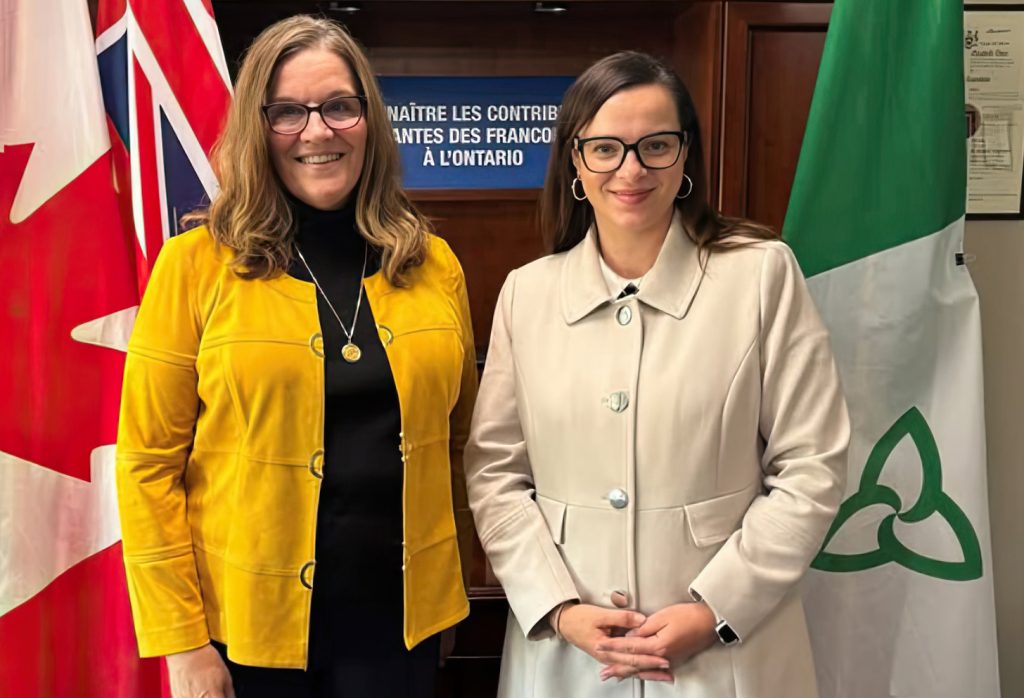
During meetings with MPP Adil Shamji, Liberal Health Critic and MPP France Gelinas, NDP Health Critic, WeRPN expressed the vital role RPNs play across all sectors, including forming two-thirds of the long-term care nursing workforce. The core message centered on the urgent need for strong advocacy to alleviate stress on the healthcare system, RPNs, and patients.
Similar critical points were discussed during a meeting with Long-term Care Minister Kusendova-Bashta’s staff, which focused on the value RPNs provide, the importance of mandatory quarterly reporting on staffing data for transparency and accountability and advocating for fair and harmonized RPN compensation to eliminate wage disparities and reduce turnover.
Renewing BEGIN and NEI
A central theme across all engagements and our pre-budget submission was the need for permanent funding for the BEGIN and NEI programs. These programs directly address the provincewide nursing retention crisis by fostering career growth and ensuring RPNs have access to opportunities to specialize in their practice while enriching patient care and reducing turnover.
We emphasized that demand for both BEGIN and NEI significantly exceeds available funding, leading to waitlists for dedicated nurses eager to advance their careers. We urged the government to establish BEGIN and NEI as permanent funding streams and expand their budgets to ensure all eligible nurses can access these vital programs.
Permanent funding would enhance efficiency by eliminating yearly application processes and bolster Ontario’s nursing workforce, securing a continuous flow of skilled RPNs for the province’s healthcare needs.
Ontario’s investment in primary care:
Letter of congratulations to Minister of Health
Following the Ministry of Health’s announcement of an additional $30 million investment in primary care expansion, part of the $2.1 billion Primary Care Action Plan, WeRPN sent a congratulatory letter to the Minister of Health Sylvia Jones. The letter expressed the strategic value of Ontario’s RPN workforce in achieving the goal of two million new patient attachments by 2029.
We highlighted the thousands of RPNs who are already integral to core primary care settings, community health, and public health, acting as vital foundations for team-based care. WeRPN expressed interest in continued collaboration with the Ministry to connect RPNs with tailored education and onboarding to support recruitment, reaffirming our commitment to workforce planning.
Looking ahead: Spring Advocacy Day 2026
This spring, we’ll be heading back to Queen’s Park for our annual Advocacy Day on Monday, May 11. There’s no better way to amplify our message than by bringing the voices of RPNs directly to the doorstep of government.
Through targeted meetings with elected officials and a lunch reception, we’ll share the lived realities and experiences of RPNs working in hospitals, long-term care facilities, retirement homes, and communities across Ontario.
These conversations will ensure government leaders understand the critical role RPNs play in delivering high-quality care and the urgent need to address the challenges you face, including renewal of key funding streams.
Face-to-face advocacy is one of the most powerful tools we have to create change, and our members are a critical part of this advocacy. We look forward to sharing an update from the event in our fall Journal.