BY Dr. Jen Calver, RPN, PhDFall 2026
Recognizing the Distinct Role of RPNs in Healthcare
Nurses’ roles continue to evolve with the changing healthcare, and health system needs to ensure safe, holistic, ethical, and respectful nursing care. All Ontario Nurses use knowledge, critical thinking, critical inquiry and research to build and m

BY WeResearchFall 2026
From Bedside to Research: Marissa Bradley’s Journey to the WeRPN Research Fellowship
When Marissa Bradley’s mother first encouraged her to pursue nursing, she steadfastly refused. Years later, after working as a PSW in long-term care and completing her practical nursing program, she found her way to the profession anyway — drawn
BY WeResearchSpring 2026
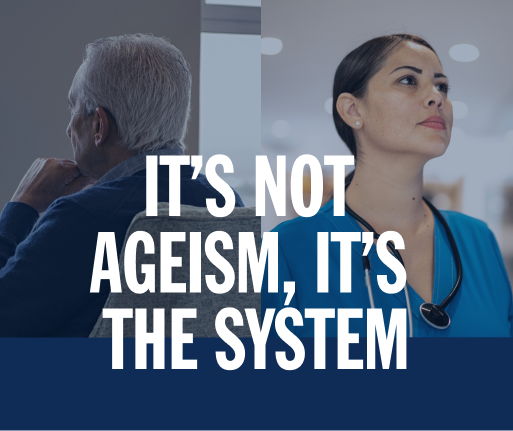
It’s not ageism, it’s the system: Why new practical nursing students hesitate to seek work in long-term care
Linda Sheiban Taucar, RN, MSc., Principal Applicant, Conestoga CollegeMark Dager, RPN, Co-Applicant, Woodingford Lodge, Oxford CountyCatherine E. Tong, PhD, Co-Applicant, Conestoga CollegeAshley Fox, RPN, Knowledge User, Promyse Home CareKatlynne Elg

BY WeResearchSpring 2026
Strengthening Evidence, Strengthening Practice
From the Research Desk With 65,000 Registered Practical Nurses (RPNs) in Ontario, their role in delivering high-quality, patient-centred care is essential. Yet the WeRPN 2025 State of Nursing in Ontario Report found that more than 78% of nurses feel

BY Jennifer Walker RPNFall 2025
Caring for Residents with Post-Stroke Spasticity: Insights from RPN-Led Research
Post-stroke spasticity (PSS) is a condition that affects up to one in four stroke survivors. Spasticity can cause painful stiffness, contractures, and loss of mobility. In long-term care (LTC), where more than 20% of residents have a history of strok

BY Dr. Jen Calver, RPN, PhDFall 2025
From the WeResearch Desk: Fall 2025
Research evidence about Registered Practical Nurses (RPNs), and from RPNs is gaining traction in the literature. Why is this important for RPNs? Literature sources are a vital tool so that nurses are able to access current research used to guid

BY WeResearchFall 2025
Nurse Leaders and Resilience: Starting with Self
Background Resilience is an individual’s ability to stay healthy, recover, learn from unexpected setbacks, and proactively prepare for future work challenges. In 2016, WeRPN prioritized the development of self-care resources in direct response to v

BY Sonia NizzerSpring 2025
Amplifying RPN leadership in home and community care through co-design
RPN leaders in the home and community care sector support large clinical teams, including personal support workers (PSWs), home support workers, and other community-based providers. Their role is multifaceted, integrating critical tasks like onboardi

BY WeResearchSpring 2025
From the WeResearch Desk: Spring 2025
Advancing RPN Knowledge: The Power of Research in Strengthening Our Profession Some of the most used evidence sources in nursing include scholarly research, nursing texts and information resources from reputable institutions such as national health a

BY WeResearchFall 2024
The Power of Research in Elevating RPN Voices
By: Victoria Pringle, BScN RN, RPN, Sherry Espin, PhD, RN, Alyssa Indar, PhD, RN and Sue Bookey-Bassett, PhD, RN Victoria Pringle started her career as an RPN on a surgical ward a decade ago before deciding to pursue a graduate certificate

BY WeResearchFall 2024
From the WeResearch Desk
By: Jen Calver, RPN, PhD (candidate) Research Coordinator, WeRPN Over the past three years, WeRPN has sponsored 10 research grants, supported 7 RPN research fellows and facilitated 28 recruitment and partnership initiatives. These efforts have gene

BY WeRPNSpring 2024
Enhancing the Role of Registered Practical Nurses Through Strategic Research Initiatives
WeRPN members have shared that they continue to feel undervalued and underappreciated in their workplace. This is largely rooted in a need for more understanding about the unique role of highly skilled and competent RPNs in various practice settings.
Advertisement

Advertisement