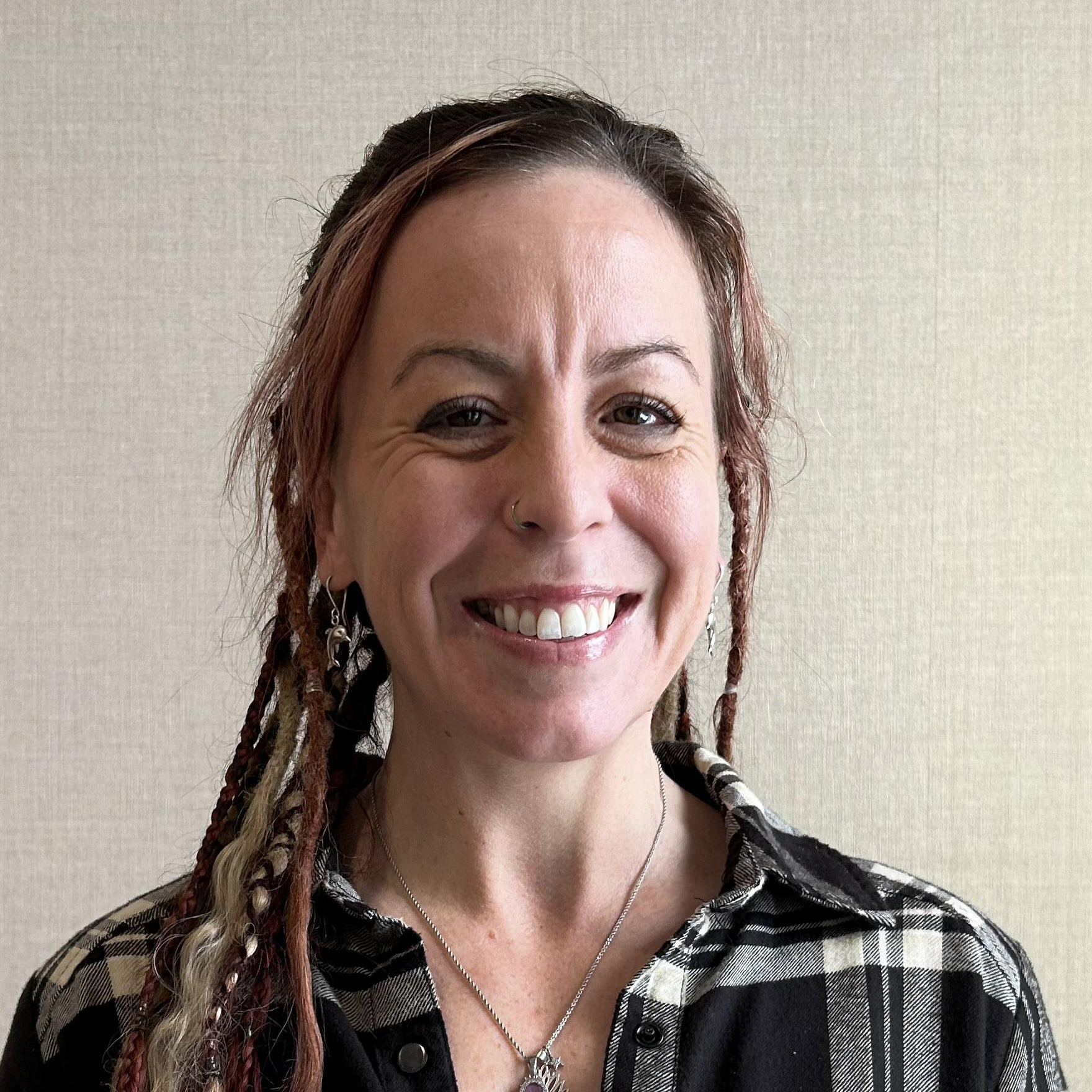
If we haven’t met, my name is Lindsay Pentland. This past January, I had the honour of stepping into the role of President of WeRPN. In this role, I’ve had the opportunity to connect more closely with RPNs across the province and better understand the realities you’re facing day to day.
In my clinical role, I work with Indigenous Services Canada, providing care to members of the community. After more than two years working in Nibinamik First Nation, I’ve recently transitioned to Mishkeegogamang First Nation, where I continue this work and am learning from a new community.
Our profession has come a long way. From once being considered an “assistant to the nurse” to today, where RPNs are respected both as nurses and as leaders in our healthcare system. That progress reflects the dedication, resilience, and advocacy of RPNs themselves. While there is still work to do, I believe the future looks bright for RPNs.
RPNs are increasingly recognized as an essential and expanding part of a system that cares for some of the most vulnerable populations in our society. RPNs play a critical role not only in direct care, but in advocacy and preventative care, helping patients navigate complex systems and supporting better health outcomes.
In my conversations with nurses, I consistently hear how important it is to feel supported—whether that’s through advocacy, access to education, or having the right resources at the right time. We continue to focus on the issues that matter most to you and your patients, including safe nurse-to-patient ratios that protect both patient outcomes and nurse well-being. I also know how important it is that wages and opportunities for growth reflect the value of the work you do.
Supporting professional growth is something I care deeply about. From students and new graduates to experienced nurses stepping into leadership roles, strong supports help RPNs build confidence, adapt to change, and thrive. Increasingly, this includes reinforcing the importance of patient advocacy—ensuring that individuals feel informed, empowered, and supported to speak up for their own needs within a strained healthcare system.

Through continued advocacy, meaningful supports, and a shared commitment to equity, I believe we can continue building a future where RPNs feel valued, supported, and able to lead in their practice.
A key part of this work is our continued focus on Diversity, Equity, Inclusion and Belonging (DEIB), with a particular focus on Indigenous Health Equity resources. In my own work with Indigenous Services Canada, I see firsthand how important it is that care is delivered in ways that are culturally safe, respectful, and grounded in the realities of each community.
These resources are intended to support that kind of care—helping RPNs deepen their understanding of Indigenous cultures, histories, and lived experiences, while strengthening their ability to provide inclusive, equitable care. They also offer guidance on building respectful relationships with Indigenous communities, grounded in cultural safety and trust.
This work is part of a broader commitment—not just as an organization, but as a profession—to equity, reconciliation, and improving health outcomes for Indigenous peoples across Ontario.
When I reflect on where we are as a profession, I see real momentum—but also real opportunity. Through continued advocacy, meaningful supports, and a shared commitment to equity, I believe we can continue building a future where RPNs feel valued, supported, and able to lead in their practice.
Thank you for the work you do every day, and for the care and advocacy you bring to your patients and communities.
Warm regards,
Lindsay Pentland, RPN
President, WeRPN